Access to safe, nutritious food and clean drinking water is a fundamental human need. Food should be hygienically prepared, nutritionally adequate, properly served, and affordable—ensuring a healthy and dignified life for all. Likewise, drinking water must meet high quality standards, supported by reliable filtration and consistently verified treatment processes to guarantee safety at every point of delivery. In a country as vast as India, ensuring these essentials for every citizen and visitor is both a responsibility and an opportunity to improve public health and well-being. Who will take the lead? How can we ensure it happens without fail? Join us in making it a reality.

Safe Design
Using substandard materials or cutting corners may seem cost-effective in the short term, but it rarely supports sustainable, long-term growth. Strong design begins with thoughtful human intent. When creators prioritize quality and user comfort, the end result doesn’t necessarily require significantly higher costs—especially if weak ideas that lead to inferior products and services are filtered out early. So where do we stand in our commitment to uphold indigenous quality and deliver services that meet the highest industry standards across India? Join us in raising the bar.

Energy & Security
Energy powers our lives and shapes how we live. It is closely tied to the natural systems we depend on every day, yet we are not fully prepared to manage it responsibly or equitably. Gaps in planning, coordination, and commitment continue to limit our ability to provide reliable energy for a better quality of life. In India, many communities still face inconsistent access, and some villages remain without electricity.

Quality Assurance
At its core, this is about our collective commitment to delivering the highest quality—in both what we produce and how we perform. Our nation exists for the people, of the people, and by the people—a principle rooted in our system of governance, yet continually tested over time. That promise is strengthened when we reject what falls below acceptable standards and uphold what truly serves the public good. A strong foundation of quality must begin with individuals and extend across every level of society. Are we unwavering in our resolve to deliver world-class quality in everything we do? Join us.

Recreation
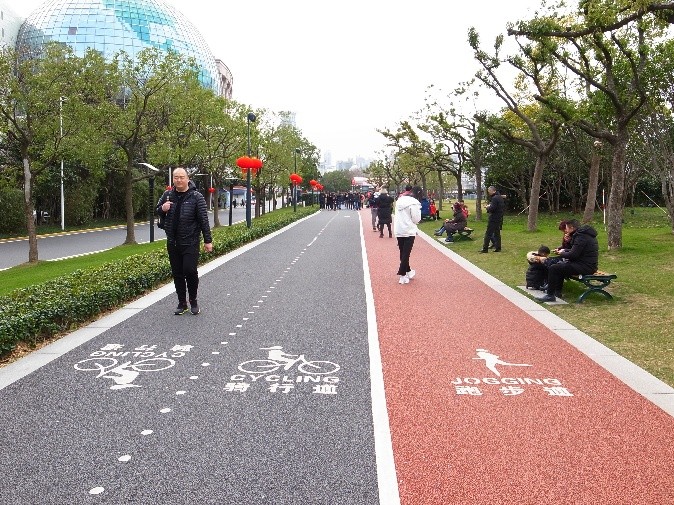
Every citizen has the right to balance hard work with meaningful outcomes. A healthy quality of life is not a luxury—it is a natural purpose. We honor that purpose by recognizing and responding to our individual capacities. While these differ from person to person, staying active and engaged in life is essential for all.
Life is more than a cycle of earning and spending. We are not machines built solely for productivity; we are complete human beings, with energy to absorb, renew, and give back.
Who takes responsibility for this balance? Who supports it, and where can it be found? Join us in seeking and shaping the answers.

Machine Technology
Unity has always been our strength. Throughout history, people coming together have delivered extraordinary, large-scale achievements—many of which still stand today as evidence of collective effort and ingenuity. Structures like Great Stupa at Sanchi (built during 3rd Century BC), Ajanta Caves (2nd Century BC), Tanjore Big Temple (1010 AD) Taj Mahal (1632 AD), Red Fort Delhi (1638 AD) stand as lasting symbols of that strength, achieved with simpler technologies but immense human dedication.

Environment
Whether something is legal or not, our actions have consequences. Cutting trees, extracting river sand, improper waste disposal, unmanaged emissions, soil contamination, and water pollution all degrade the environment. Ultimately, this harms the ecosystems we depend on for a healthy life on Earth.
Nature is not silent—it responds to how we treat it. No one has the right to damage our shared environment for personal gain. Protecting it is a collective responsibility.
Why are we losing green, clean spaces day by day? Who will replace the trees we lose each day?Join us in restoring and protecting what sustains us.